Short scenes. A few photographs, fewer words.
Cold enough to leave.
Warm enough to stay.
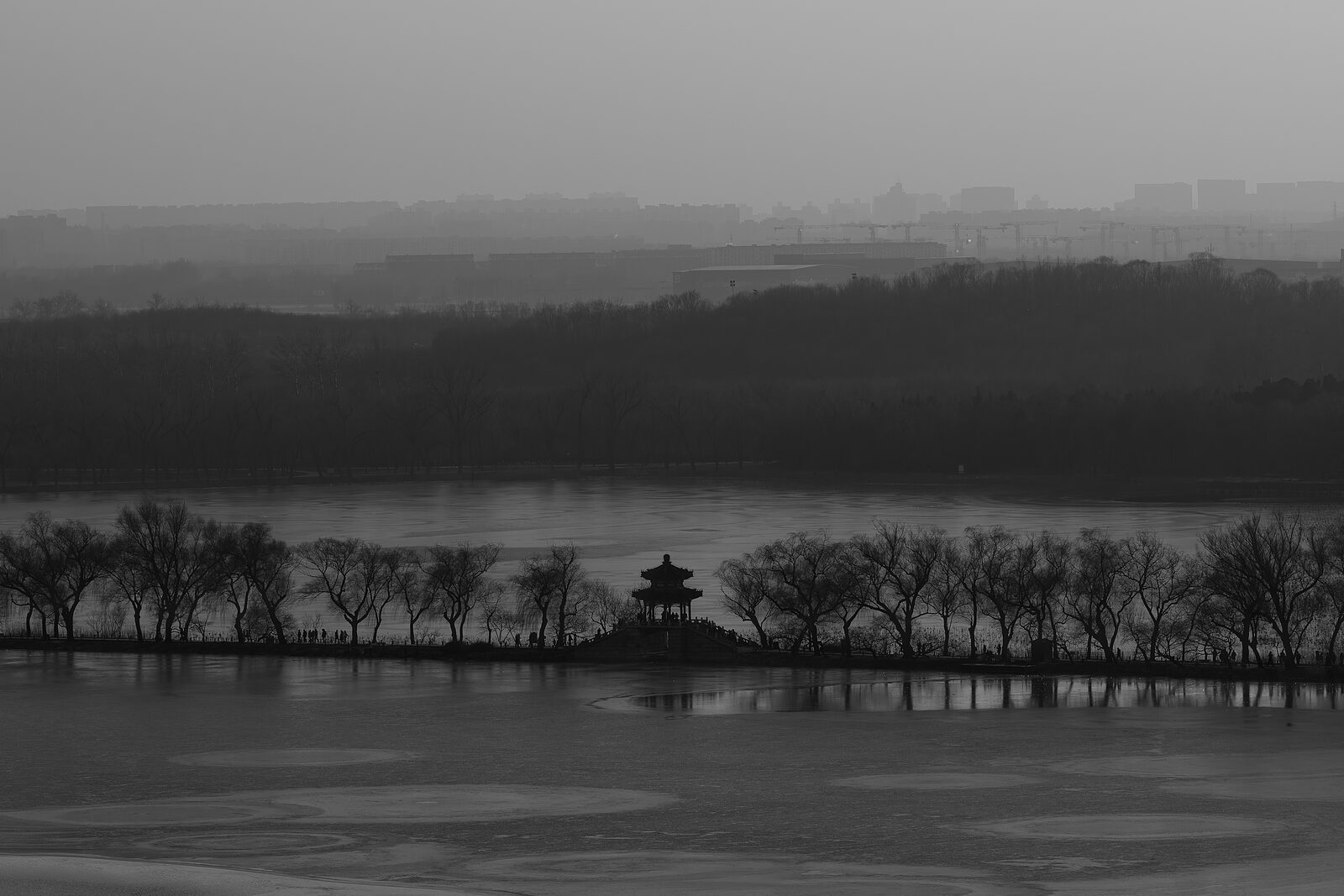
When I first arrived, everything here was gray.
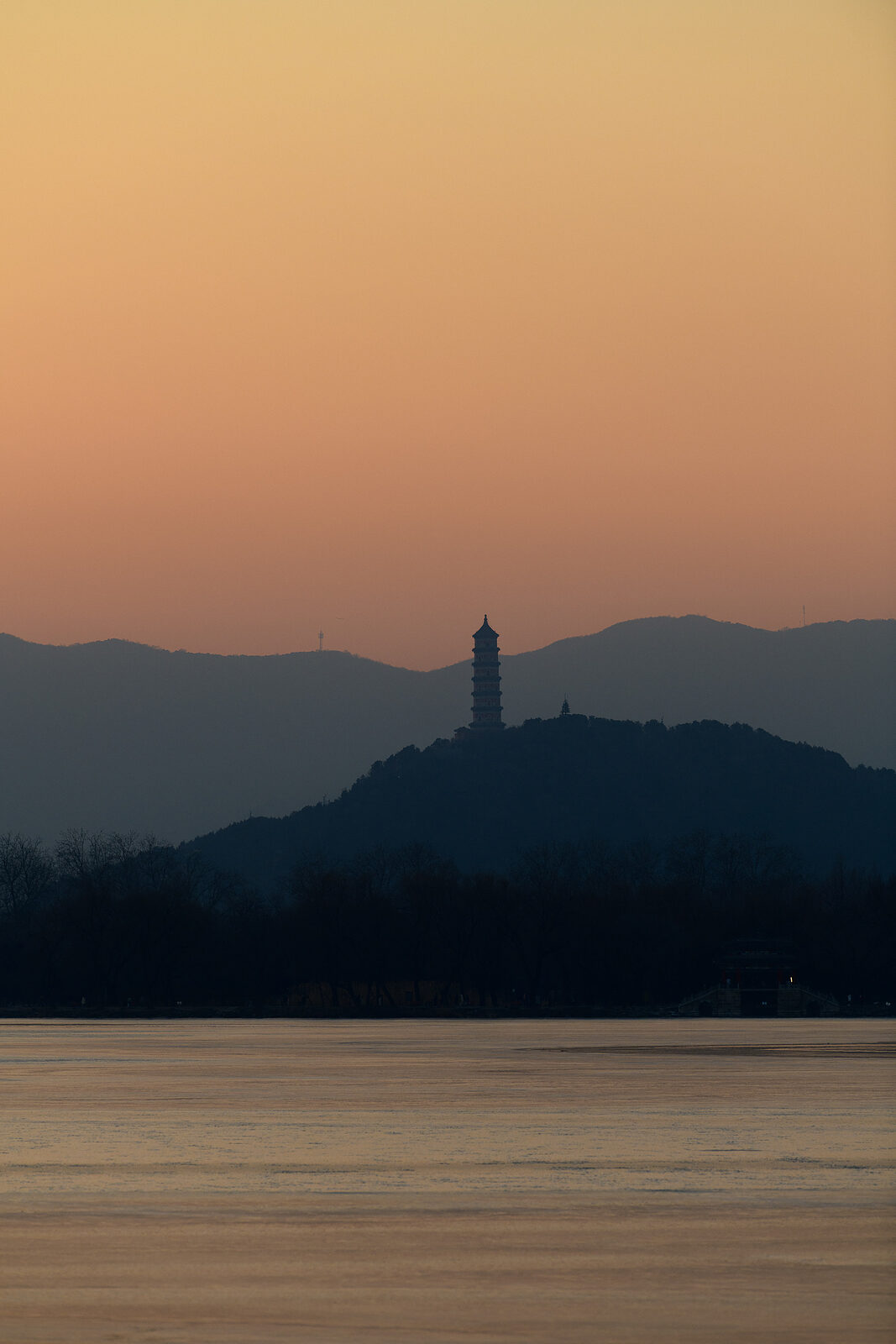
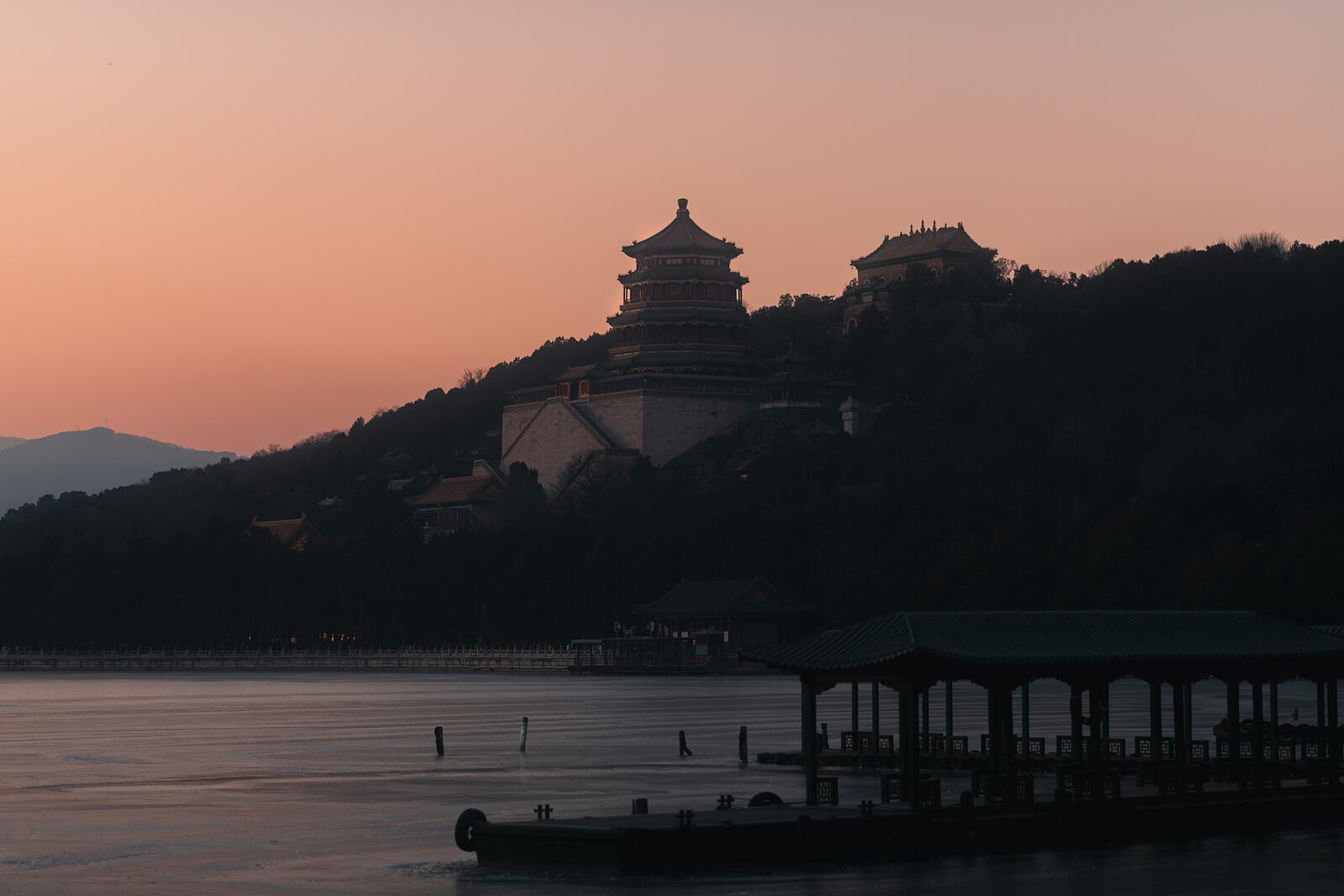
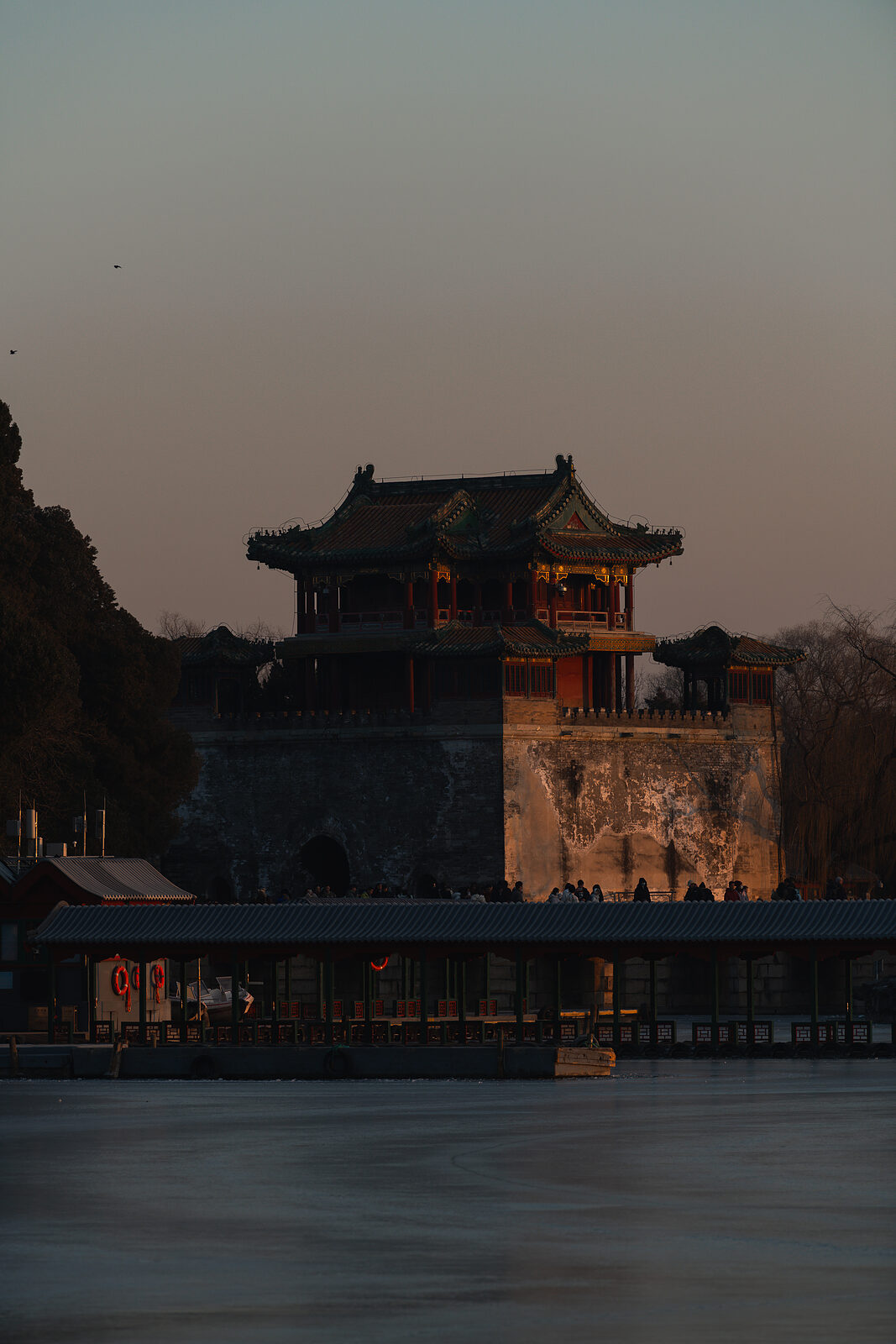
Beyond the frozen lake, a pavilion stood in the distance. The city behind it faded into the haze. The cold always came before the light.
Slowly, the afternoon softened.
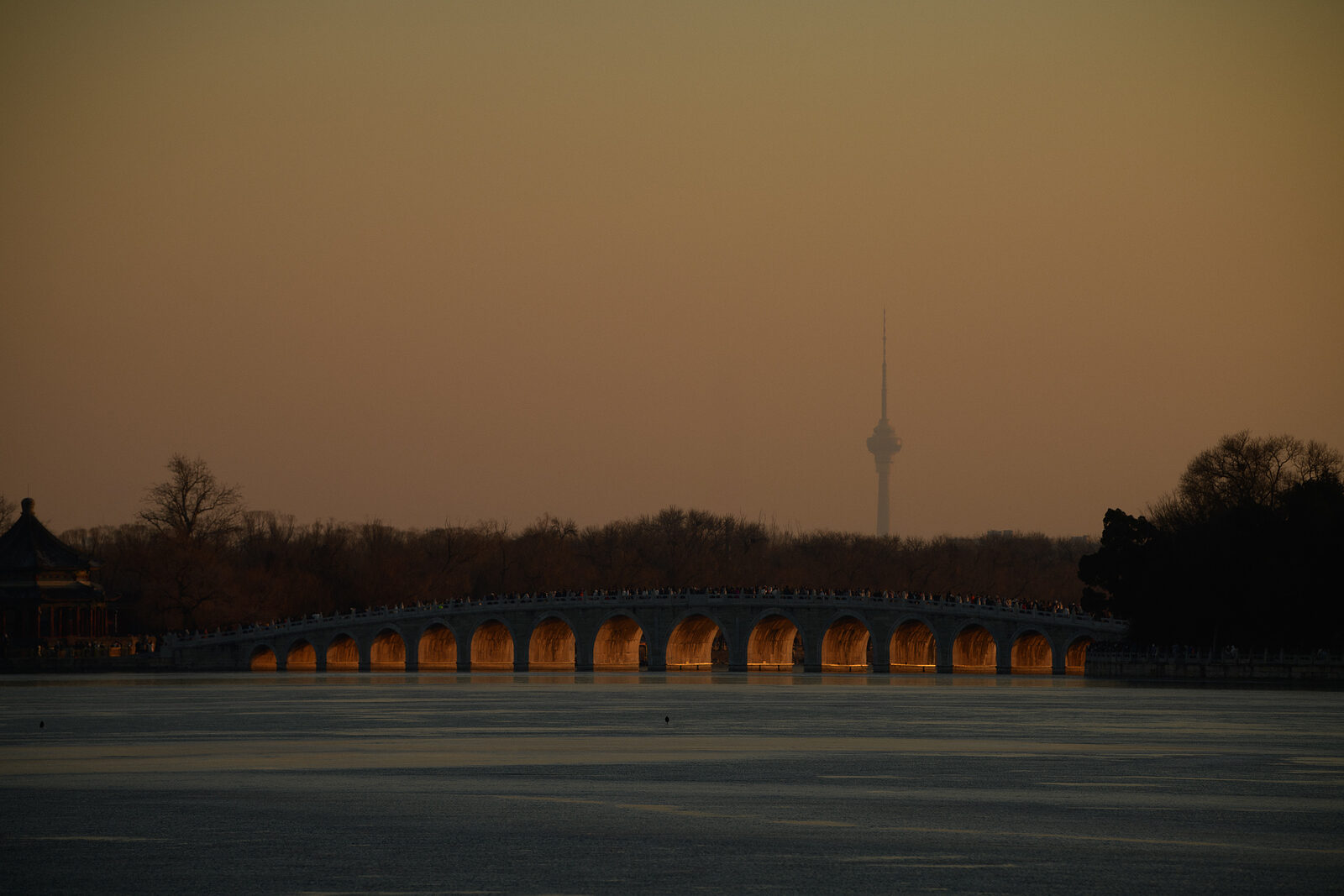
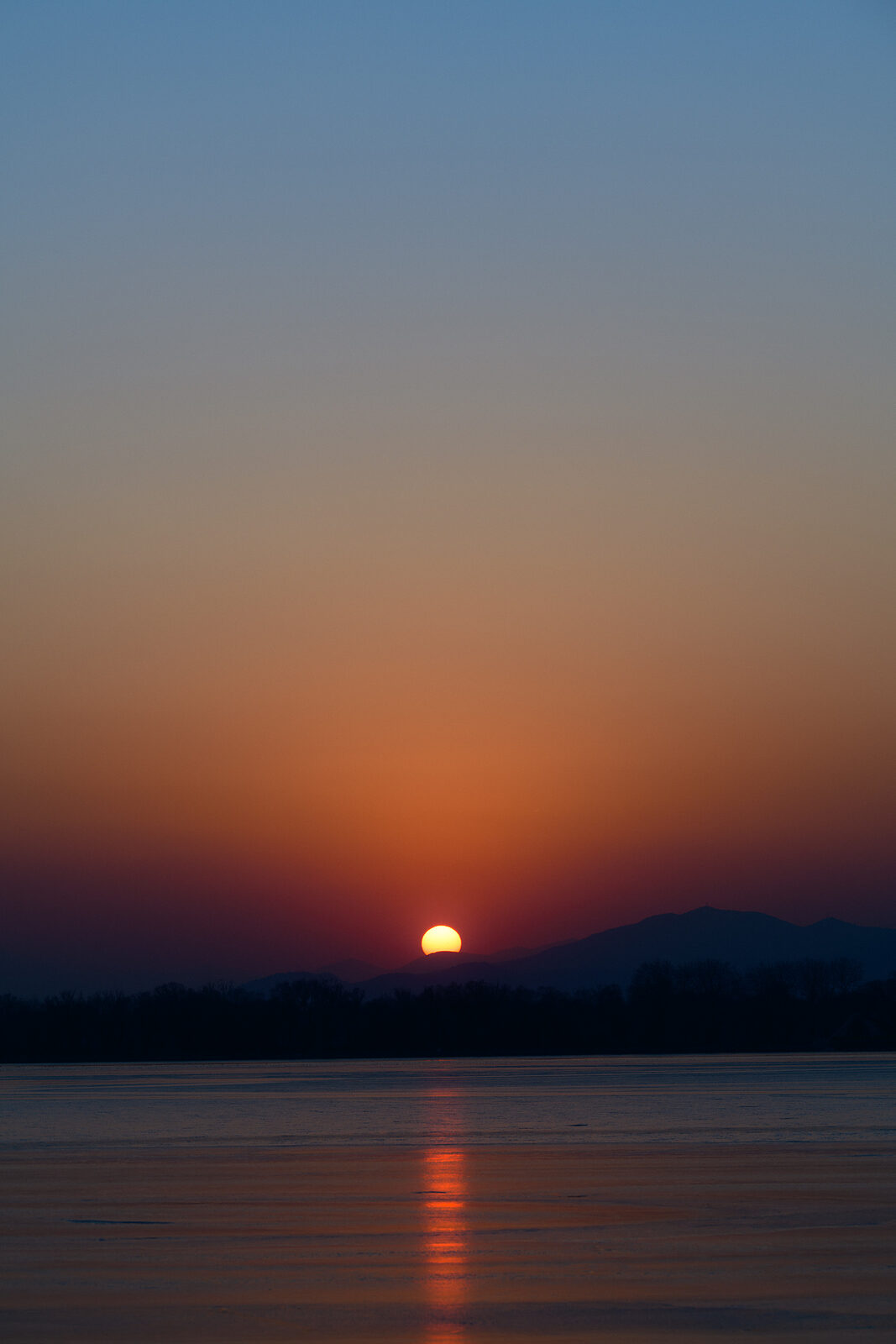
Light crept down from the mountains, passing over a pagoda, over a distant tower, until it caught beneath the seventeen arches of the bridge. They glowed gold for a moment, then the sun slipped away.
When I finally walked out, everything had turned blue.
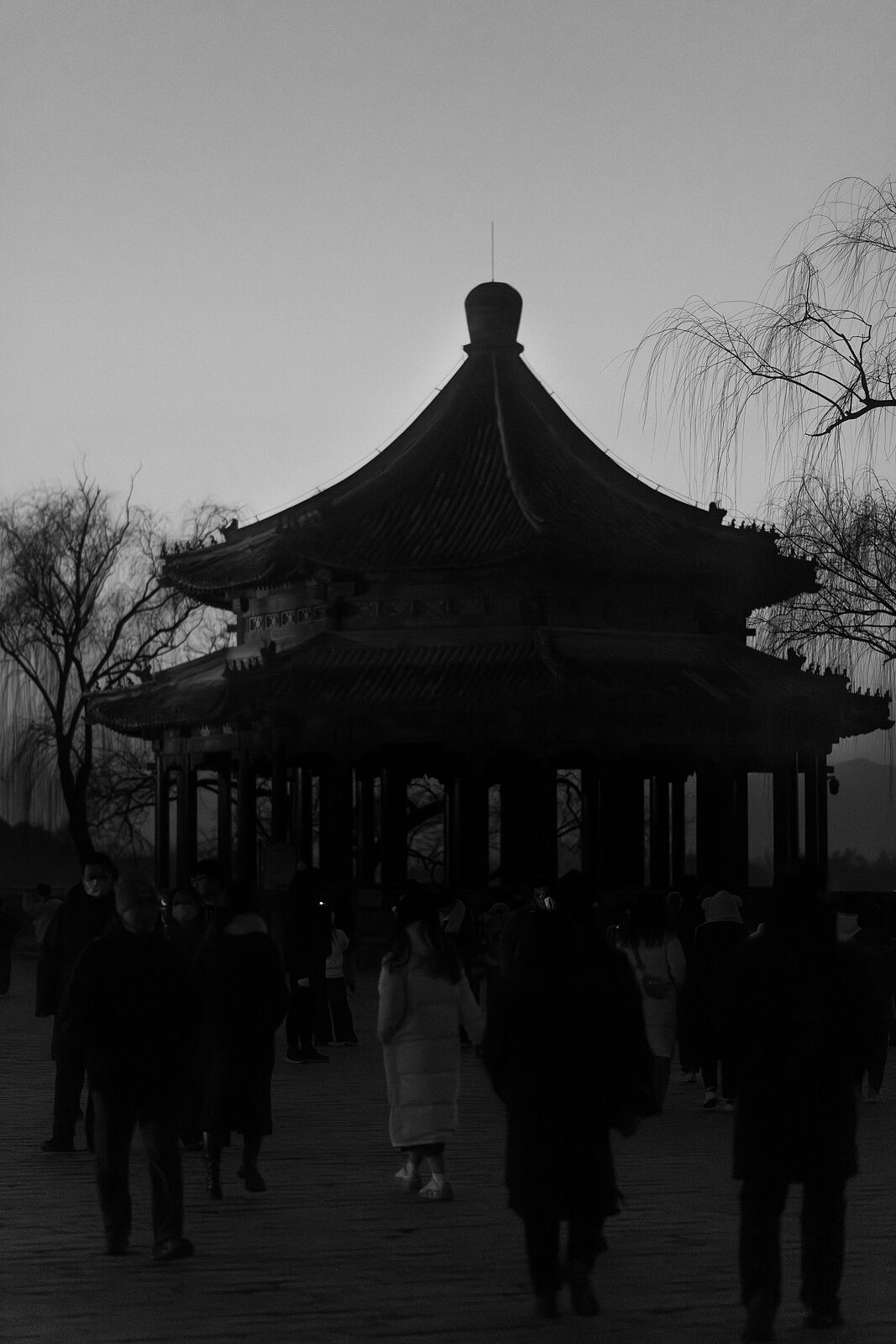
The same pavilion — but now people passed one another along the path. No one hurried. The cold returned after the light was gone, sharper than when I had arrived.
Only now, something inside felt warmer.
เข้ามาทีแรก ที่นี่เป็นสีเทา ศาลาอยู่ไกลออกไปอีกฝั่งของน้ำที่จับตัวเป็นน้ำแข็ง เมืองข้างหลังจางหายในหมอก ความหนาวมาถึงก่อนแสงเสมอ
แล้วบ่ายก็คลายตัวลงช้าๆ
แสงไต่ลงมาจากยอดเขา ผ่านเจดีย์ ผ่านหอคอย จนไปติดอยู่ใต้โค้งสะพานทั้งสิบเจ็ดช่อง เรืองเป็นสีทองอยู่ครู่หนึ่ง ก่อนดวงอาทิตย์จะลับไป
พอเดินออกมา ที่นี่กลายเป็นสีน้ำเงิน ศาลาเดิม แต่คราวนี้มีคนเดินสวนกันไปมา ไม่มีใครรีบ ความหนาวกลับมาหลังแสงลับไป และคราวนี้มากกว่าตอนเข้ามาเสียอีก
เพียงแต่ตอนนี้มันอุ่นขึ้นข้างใน
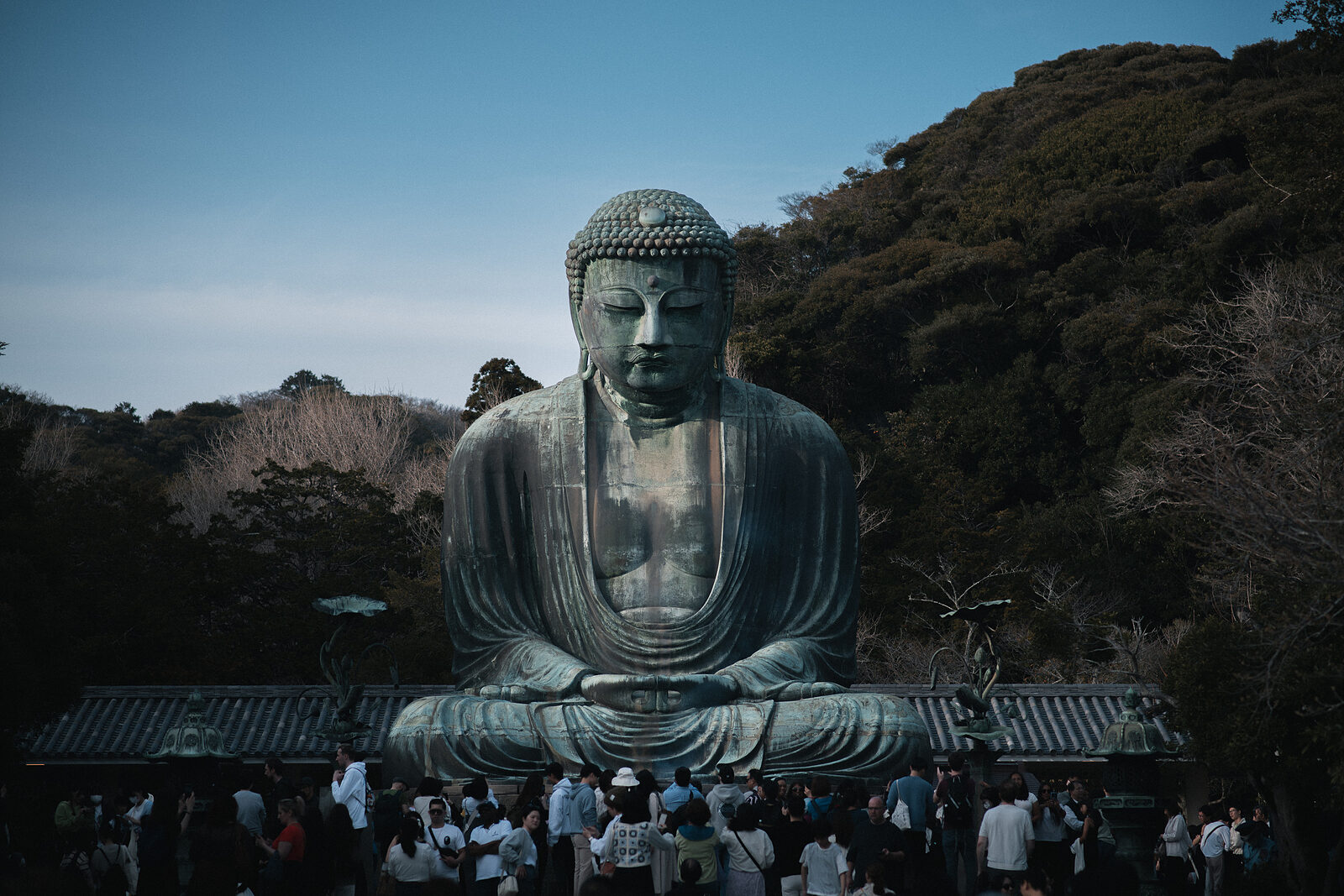
Some places do not ask to be photographed loudly.
They ask only to be noticed quietly.
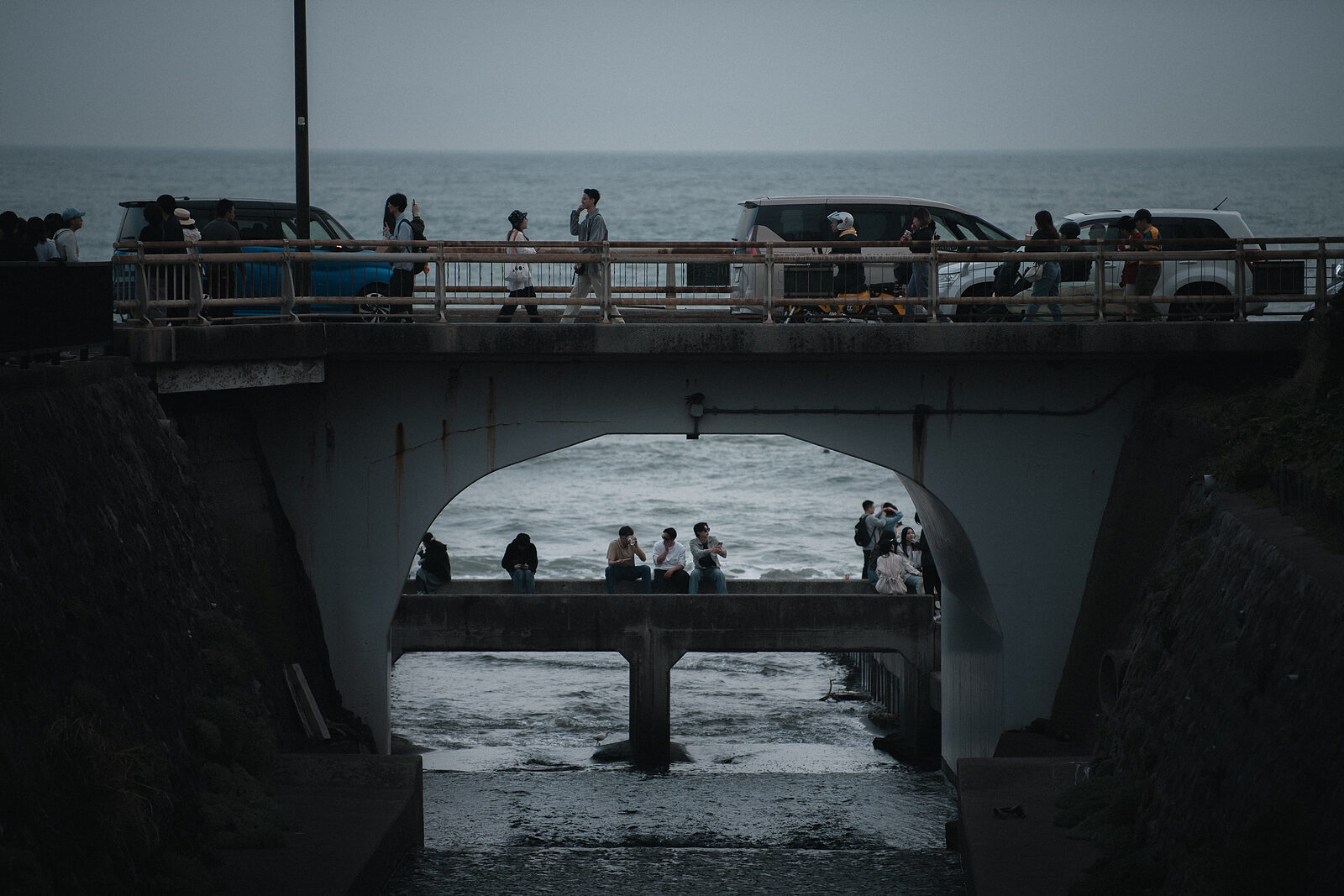
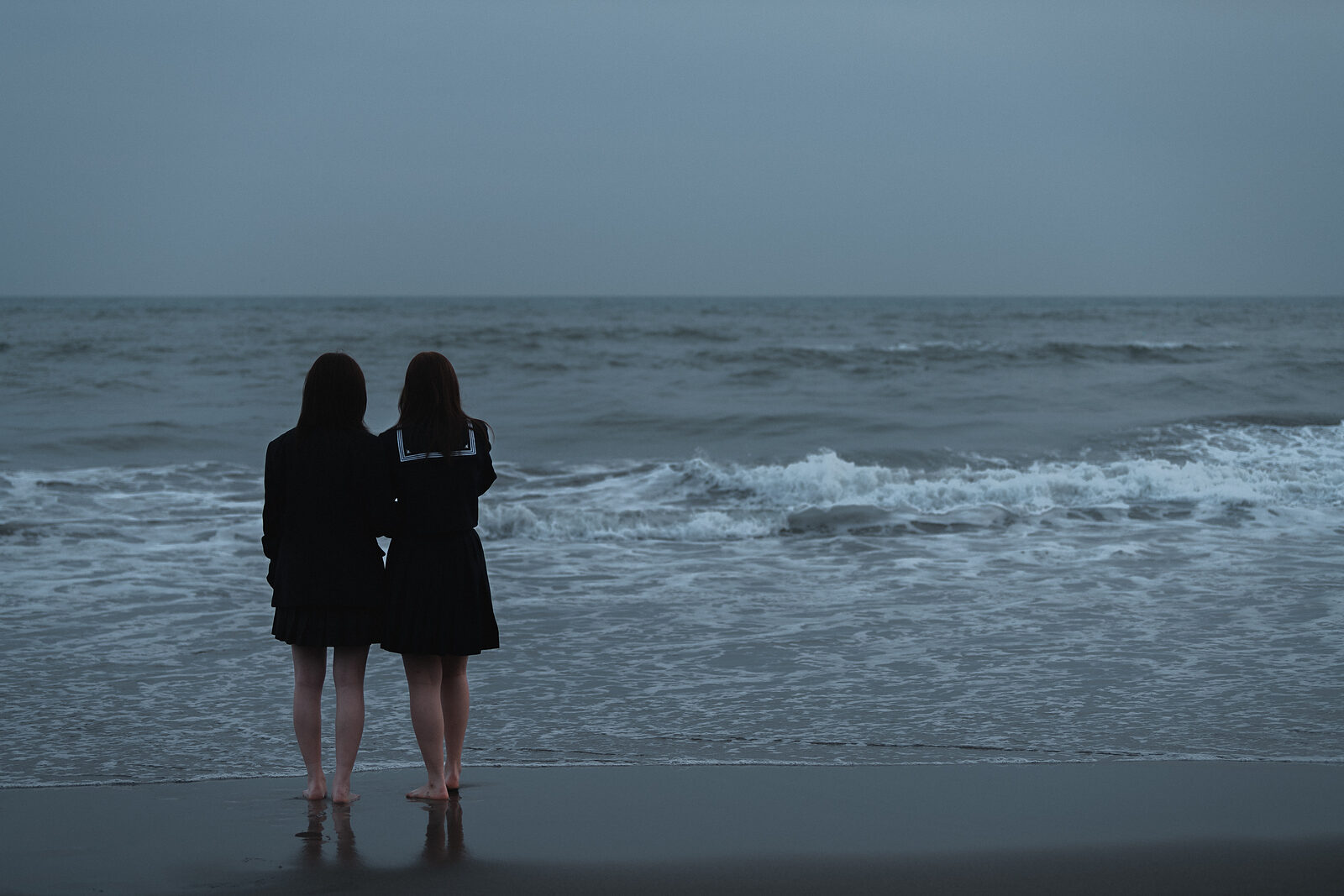
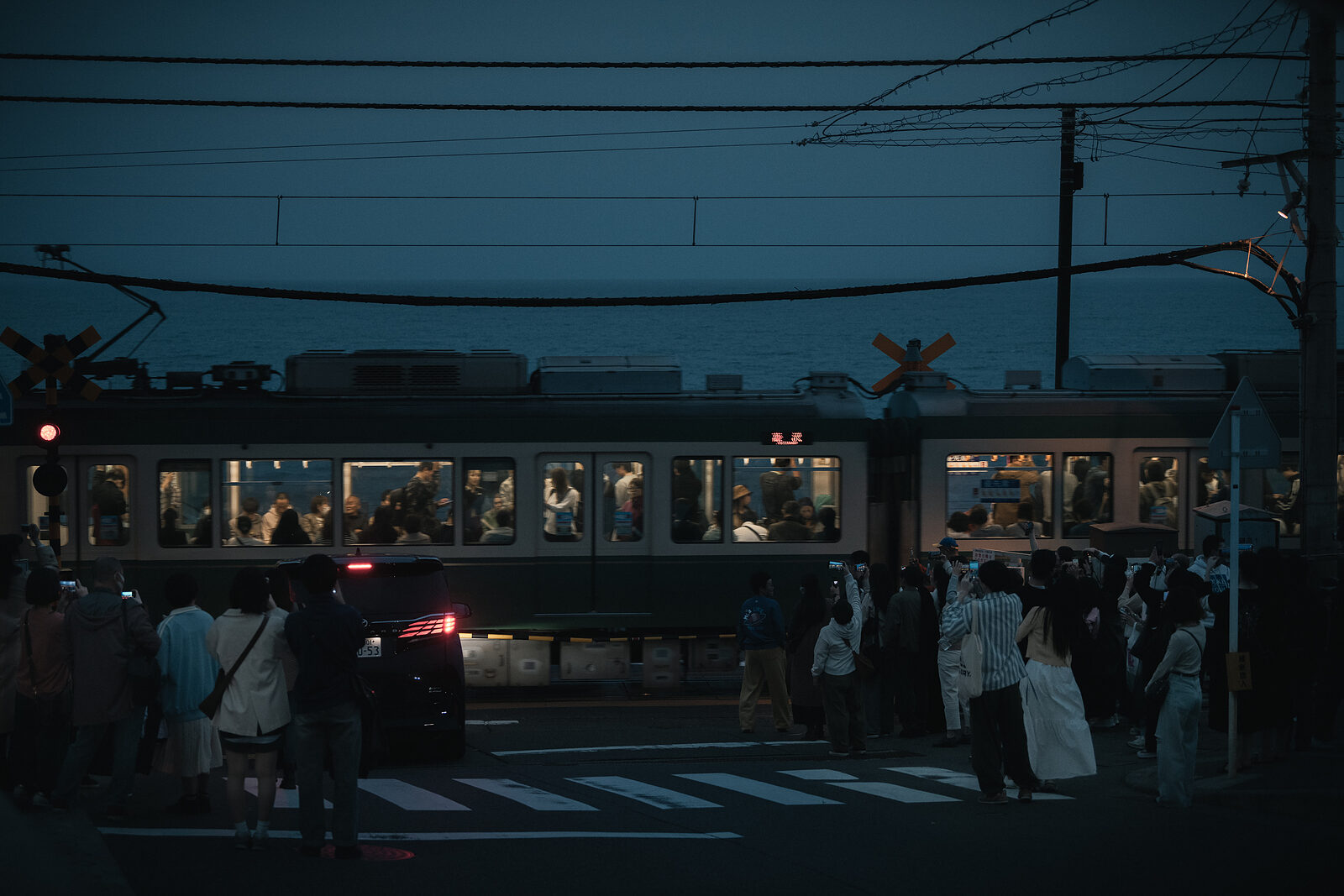
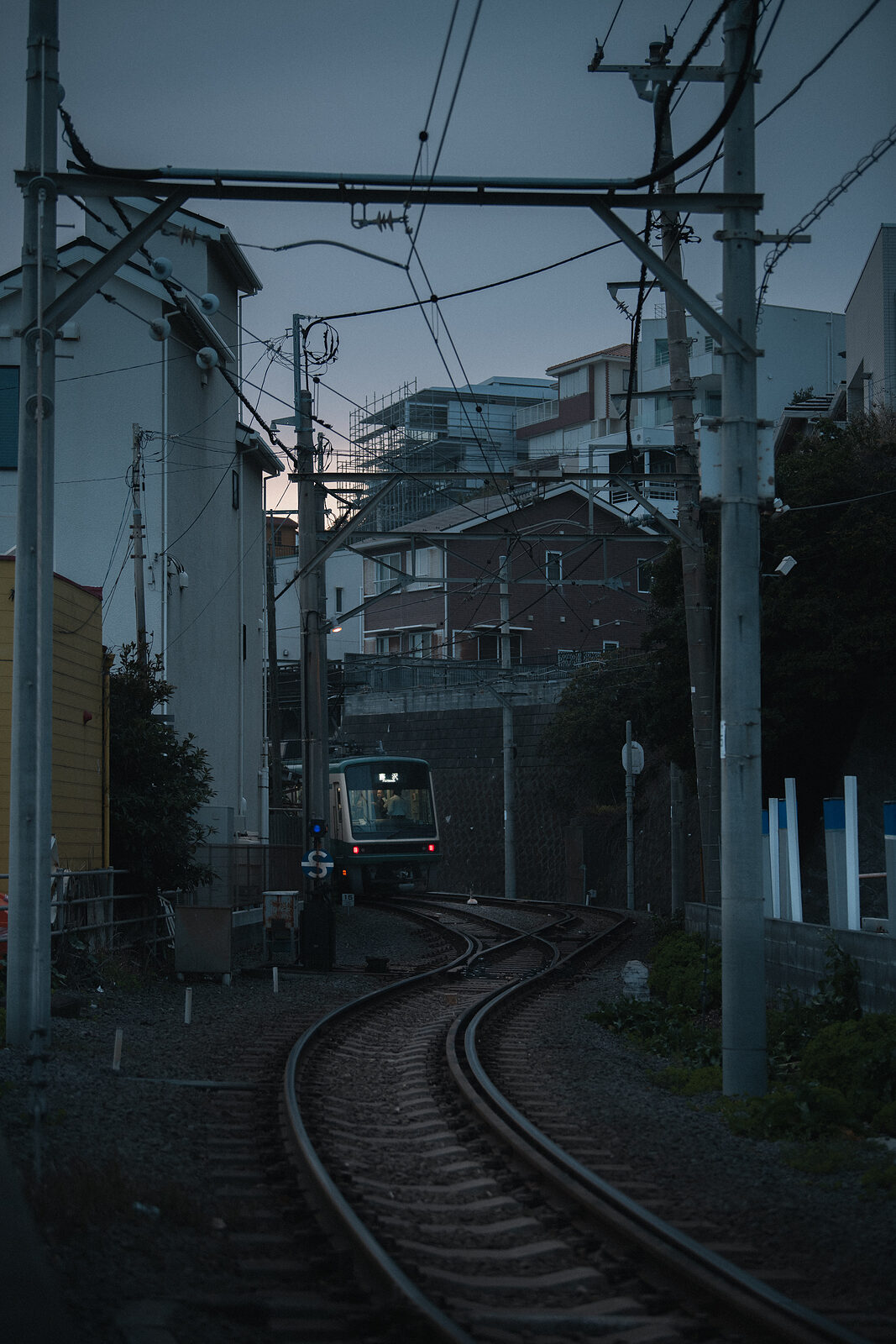
People passing. People waiting. People looking at the sea. A train carrying small illuminated lives through the evening.
The town moves gently between water and railways — between tourists arriving for a moment and residents returning home before dark.
Nothing announces itself here. Not the waves. Not the streets. Not even the people.
And yet everything feels quietly inhabited — each person carrying their own interior world through the fading light.
บางสถานที่ไม่ได้ร้องขอให้ถูกถ่ายอย่างเอิกเกริก มันเพียงขอให้ถูกมองเห็นอย่างเงียบๆ
ผู้คนเดินผ่าน ผู้คนรอคอย ผู้คนมองทะเล รถไฟพาชีวิตเล็กๆ ที่ส่องประกายเคลื่อนผ่านยามค่ำ
เมืองนี้เคลื่อนไหวอย่างแผ่วเบา ระหว่างผืนน้ำและรางรถไฟ ระหว่างนักท่องเที่ยวที่มาเยือนเพียงชั่วครู่ และผู้คนที่กลับบ้านก่อนฟ้ามืด
ไม่มีสิ่งใดประกาศตัวที่นี่ — ไม่ใช่คลื่น ไม่ใช่ถนน ไม่แม้กระทั่งผู้คน
แต่ทุกสิ่งกลับรู้สึกถูกอาศัยอยู่อย่างเงียบงัน — แต่ละคนแบกโลกภายในของตน ผ่านแสงที่กำลังจางหาย
Close enough to feel something.
Far enough to disappear.
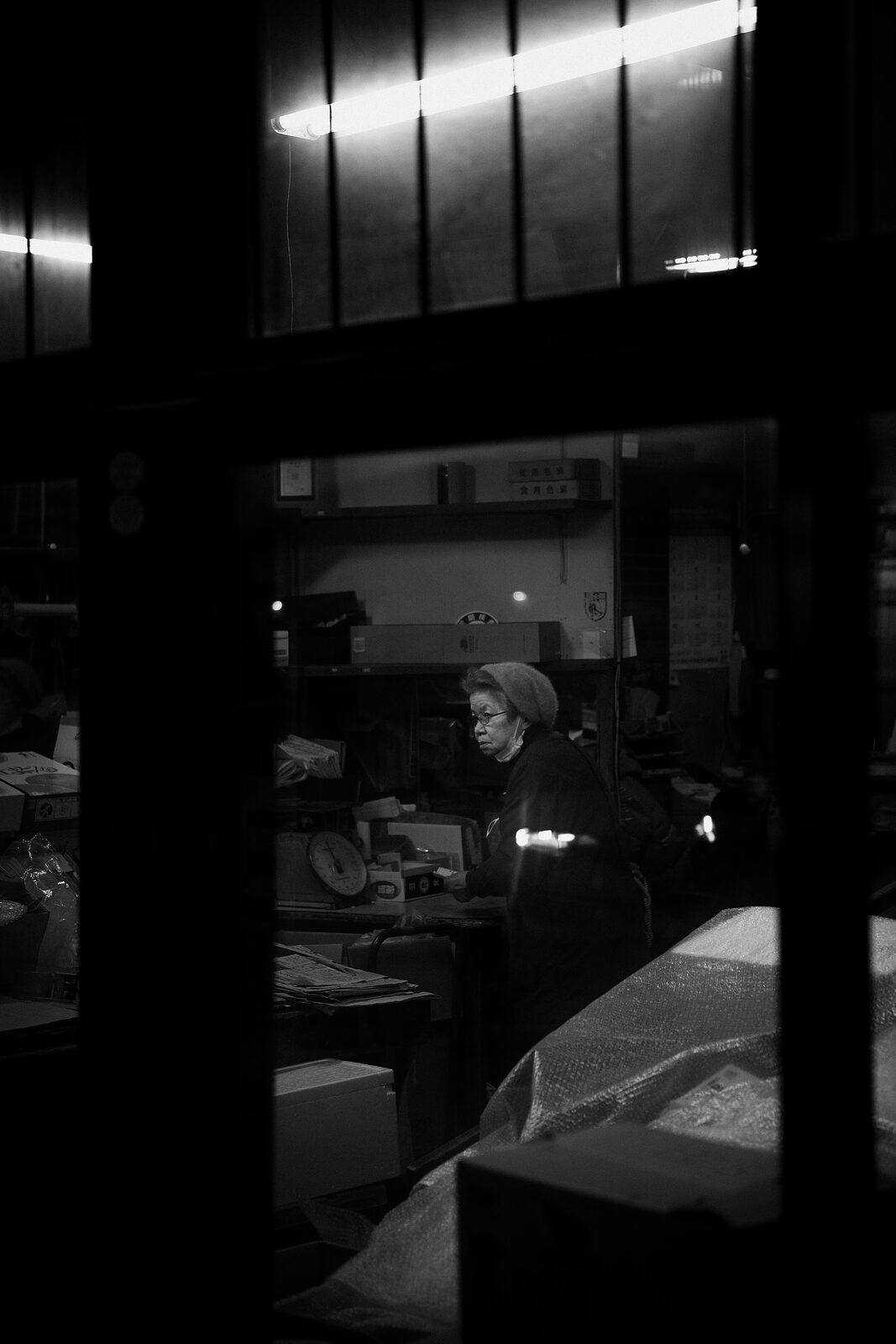
Some people photograph the world by entering it. Others remain just outside of it.
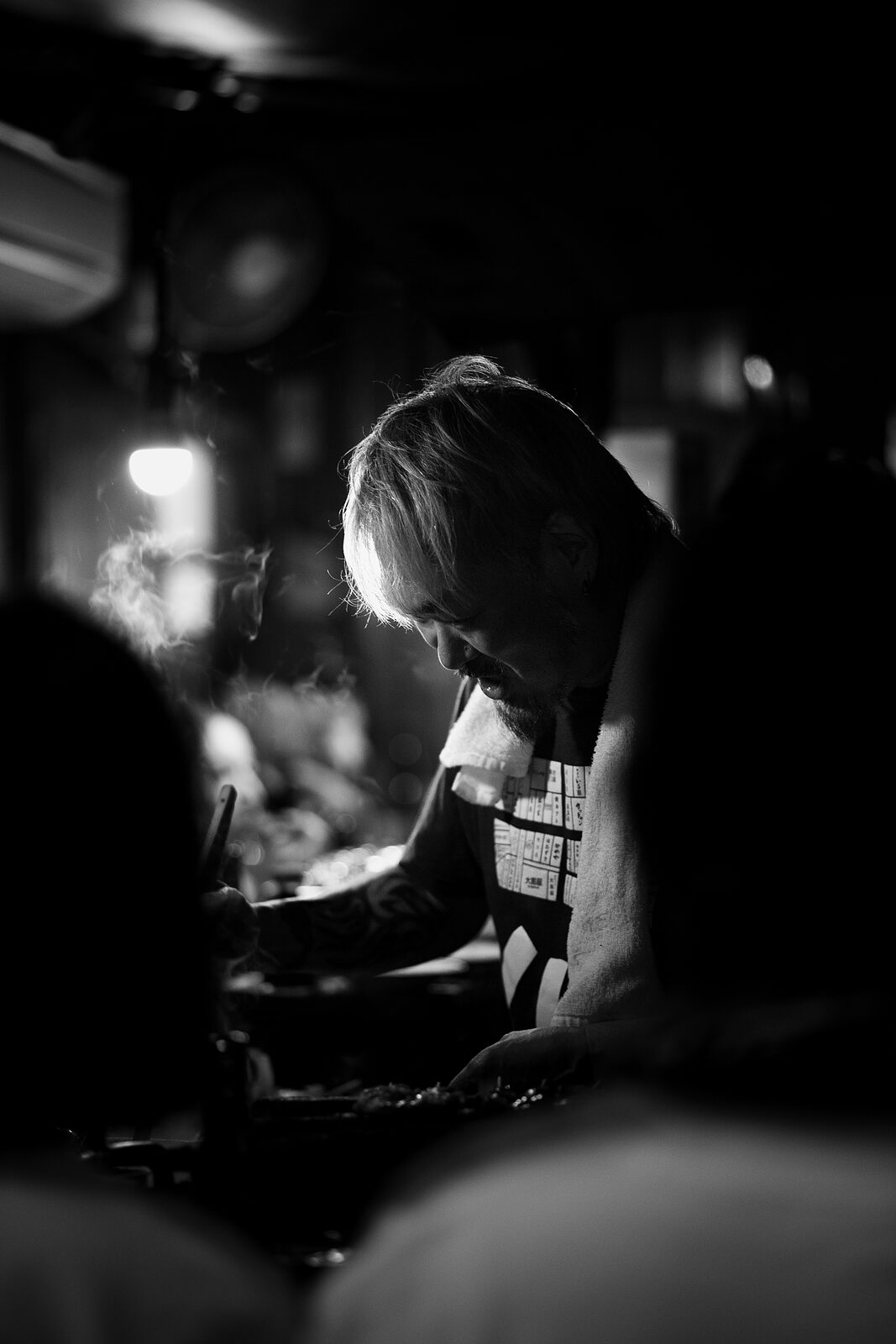
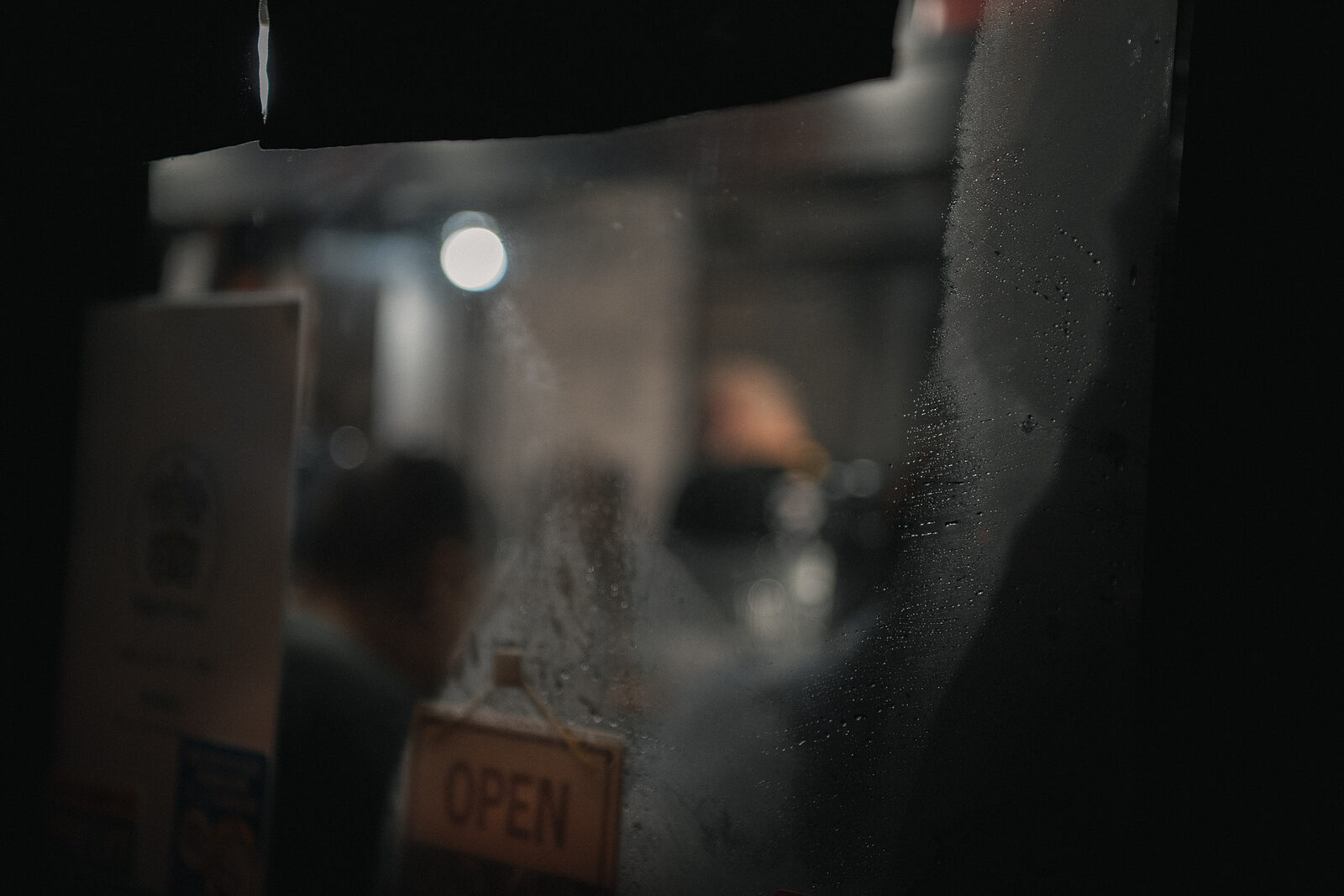
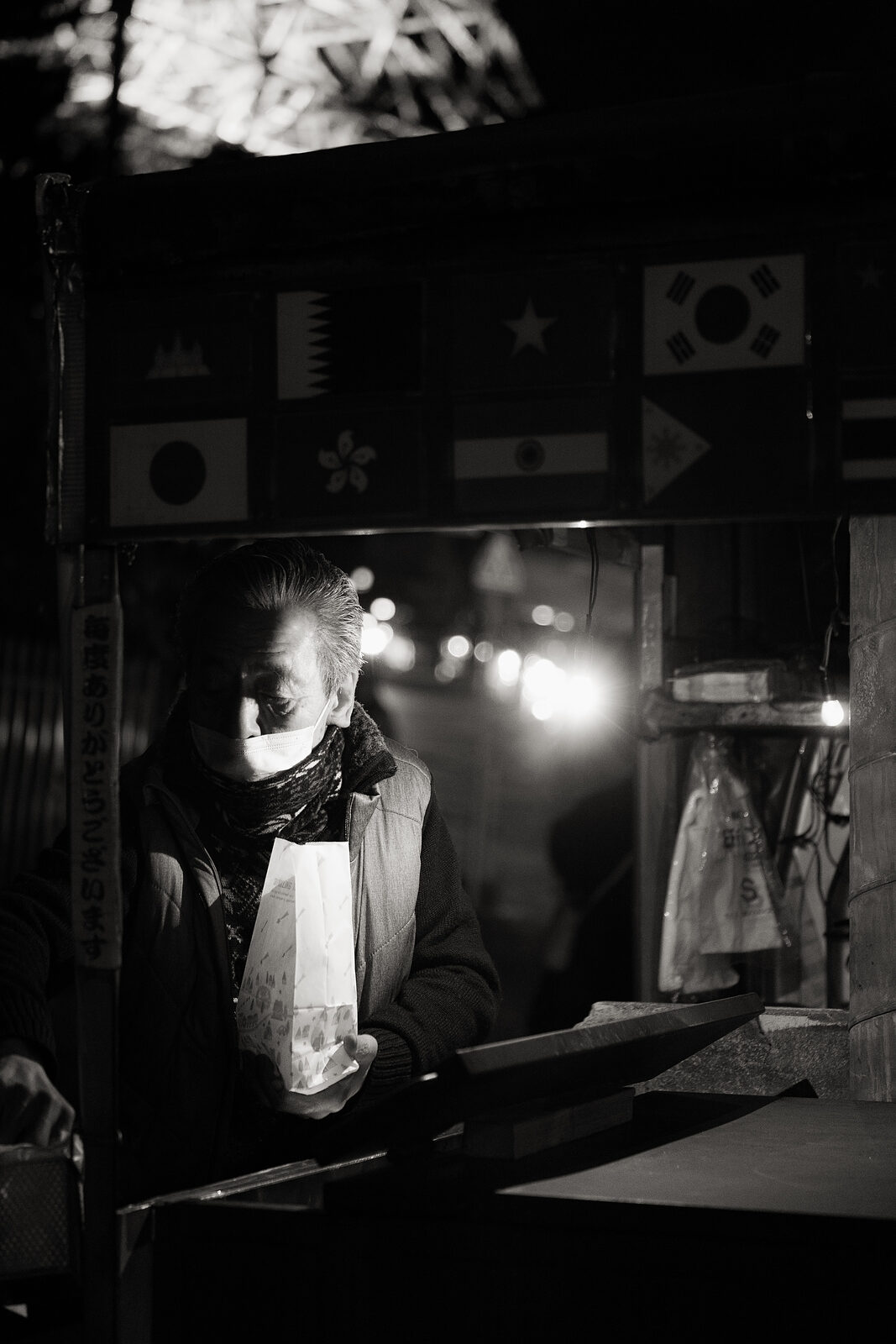
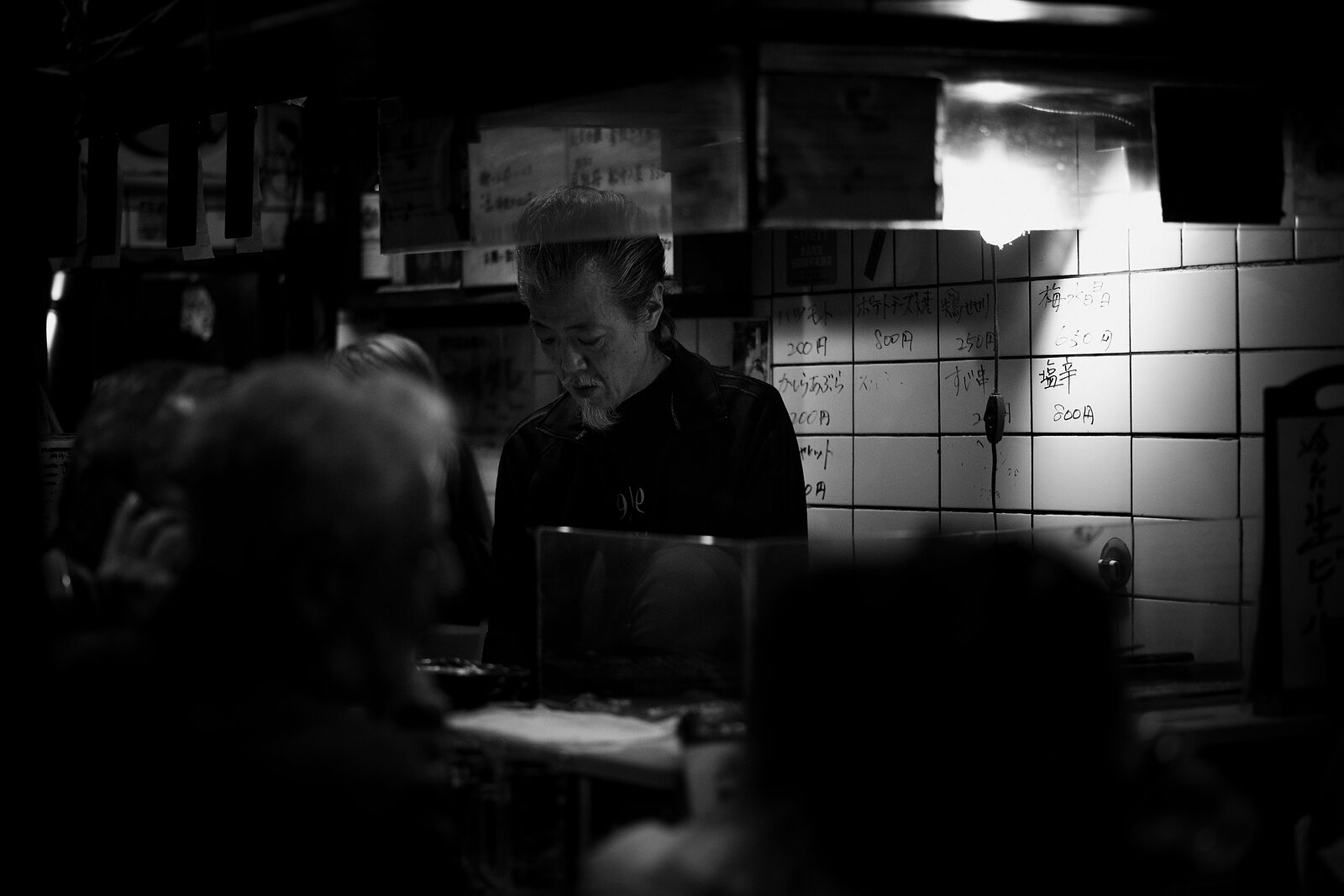
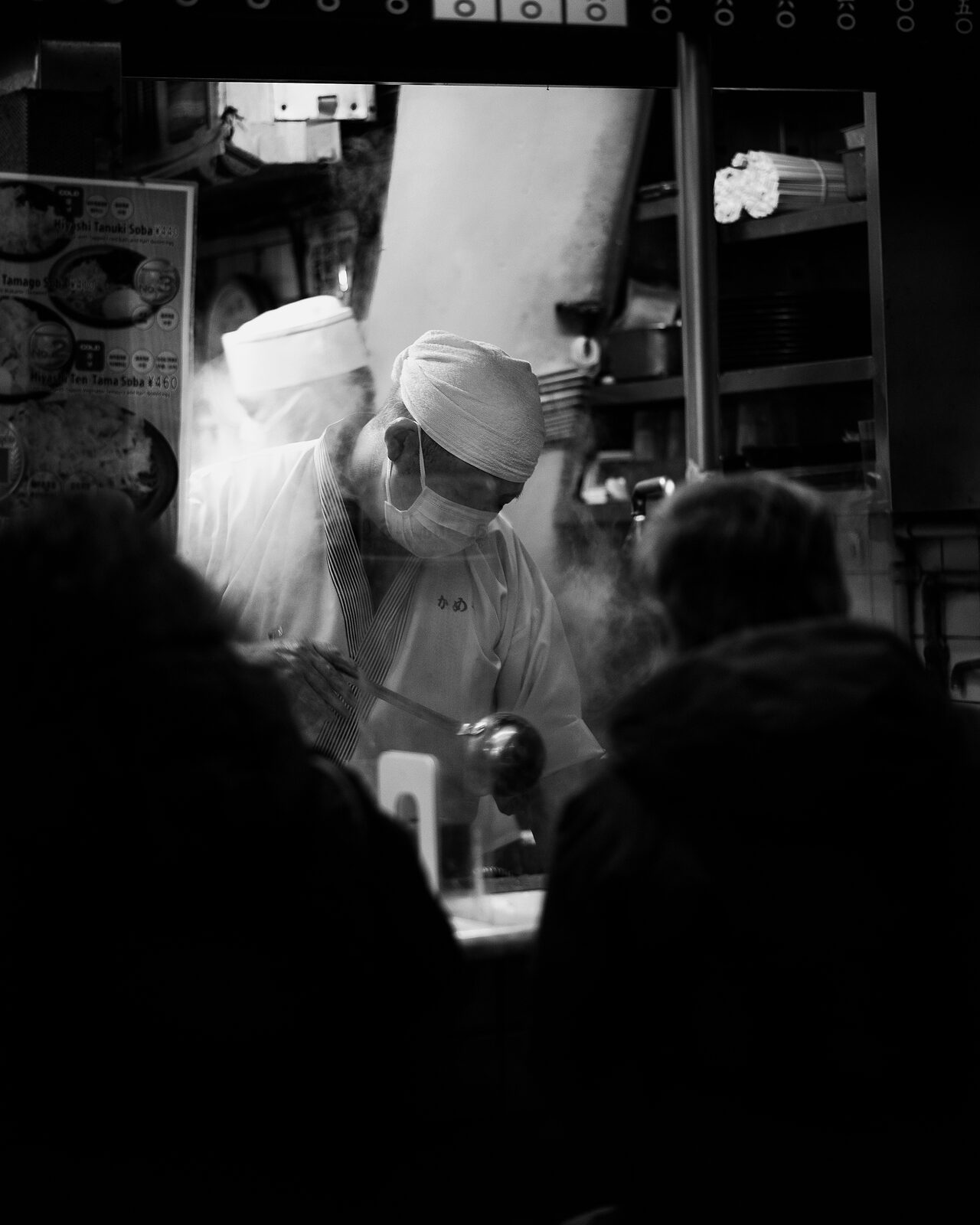
Long enough to notice small things — the way someone lowers their head while waiting, steam disappearing into light, a hand resting quietly between movements, or the silence that persists even inside crowded places.
And yet distant enough to understand that none of these lives truly belong to the observer.
No photograph fully understands its subject. What happened before the frame existed remains unknown. What is carried home after the night ends also remains unknown.
Perhaps that distance matters.
Because the photograph is not an attempt to explain anyone. It is only an acknowledgment that, for a brief moment, different lonelinesses existed in the same space.
Visible enough to feel. Invisible enough to leave no trace.
บางคนถ่ายภาพโลกด้วยการเดินเข้าไปอยู่ในนั้น ขณะที่บางคนเลือกยืนอยู่เพียงด้านนอกของมัน
ใกล้พอที่จะรู้สึกอะไรบางอย่าง ไกลพอที่จะหายไปจากสายตา
นานพอจะสังเกตสิ่งเล็กๆ — วิธีที่ใครบางคนก้มหน้าระหว่างรอ ไอน้ำที่ค่อยๆ หายไปในแสงไฟ มือที่วางนิ่งอยู่ระหว่างจังหวะของการเคลื่อนไหว หรือความเงียบที่ยังคงอยู่ แม้ในสถานที่ที่เต็มไปด้วยผู้คน
และในขณะเดียวกัน ก็ยังไกลพอจะเข้าใจว่า ไม่มีชีวิตไหนเป็นของผู้สังเกตจริงๆ
ไม่มีภาพถ่ายใดเข้าใจเจ้าของภาพได้ทั้งหมด สิ่งที่เกิดขึ้นก่อนกรอบภาพจะถือกำเนิดยังคงเป็นเรื่องที่ไม่รู้ เช่นเดียวกับสิ่งที่ถูกพากลับบ้านไป หลังคืนวันนั้นจบลง
บางที ระยะห่างนั้นอาจสำคัญ
เพราะภาพถ่ายไม่ใช่ความพยายามที่จะอธิบายใคร มันเป็นเพียงการยอมรับว่า ในช่วงเวลาสั้นๆ ช่วงหนึ่ง ความโดดเดี่ยวที่แตกต่างกัน เคยดำรงอยู่ร่วมกันในพื้นที่เดียวกัน
มองเห็นได้มากพอจะรู้สึก และล่องหนมากพอจะไม่ทิ้งร่องรอยไว้
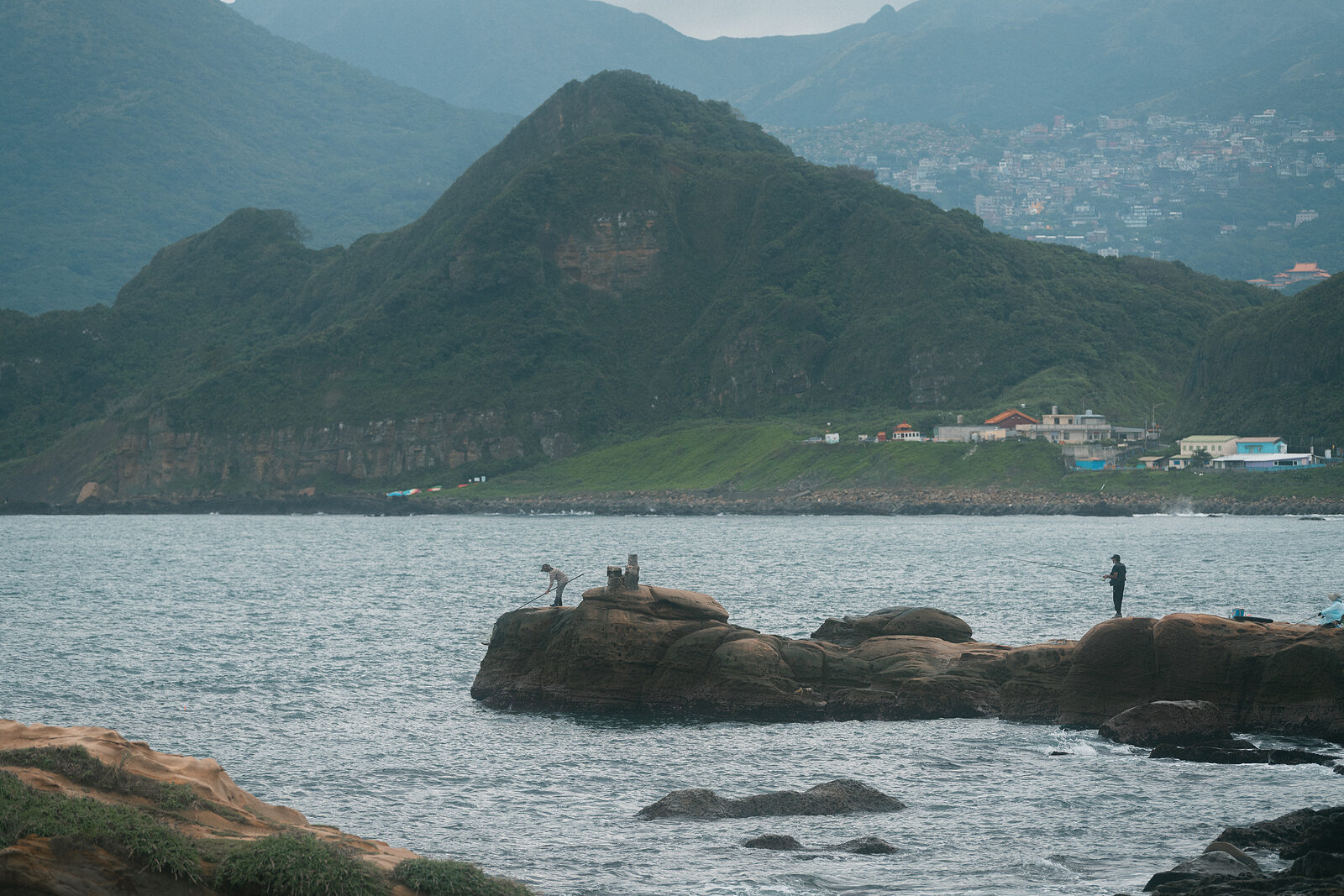
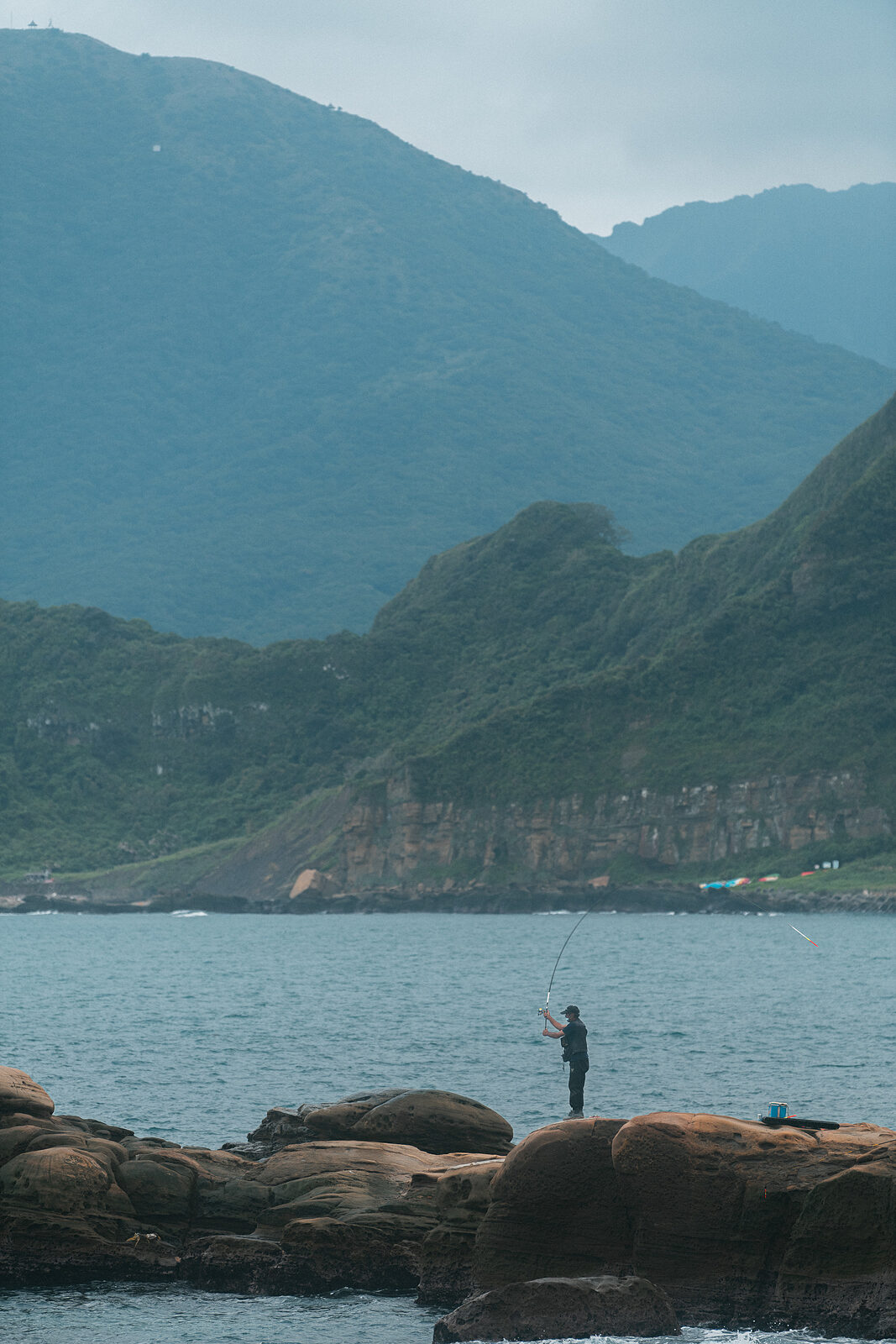
The sea does not answer.
That is, perhaps, the point.
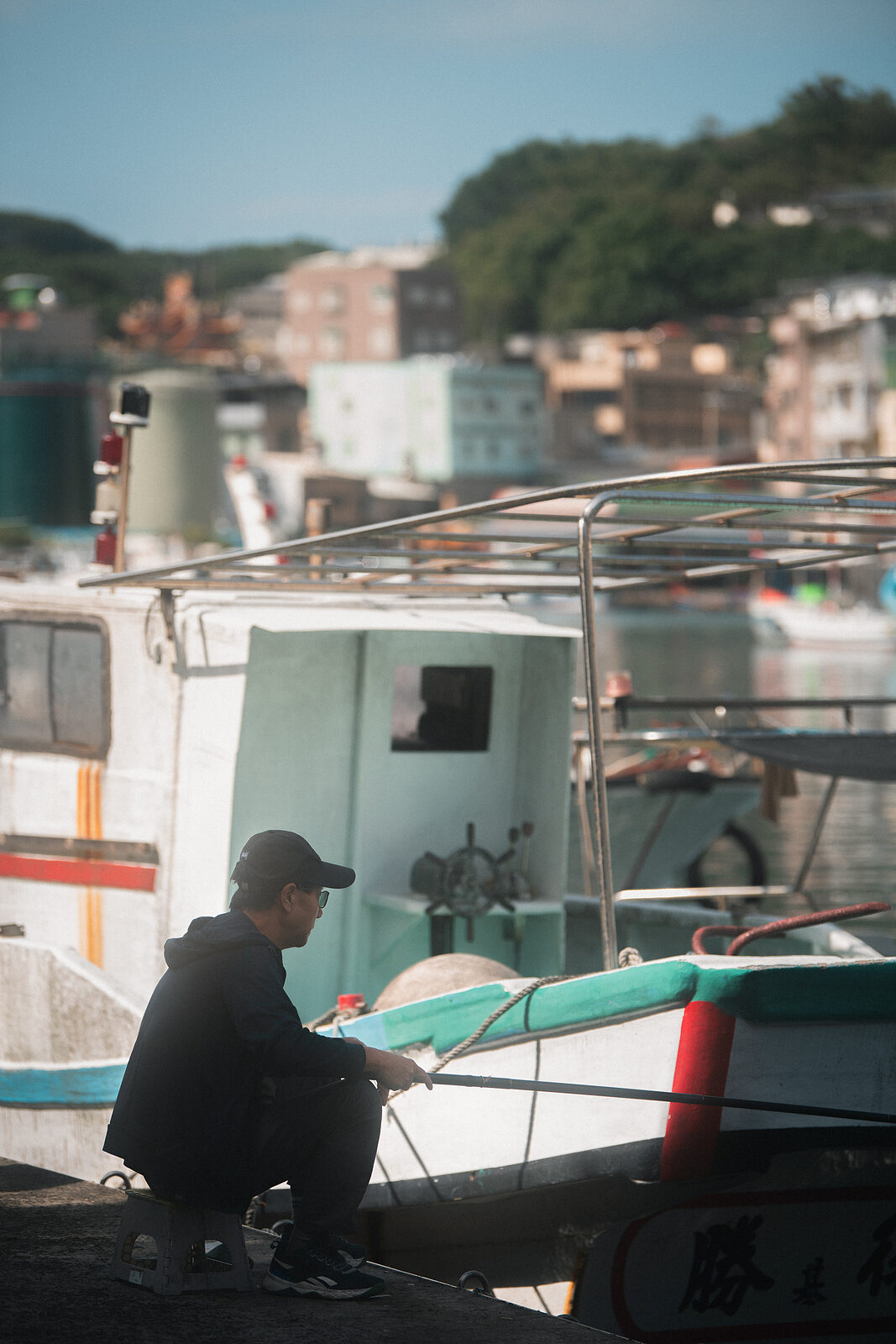
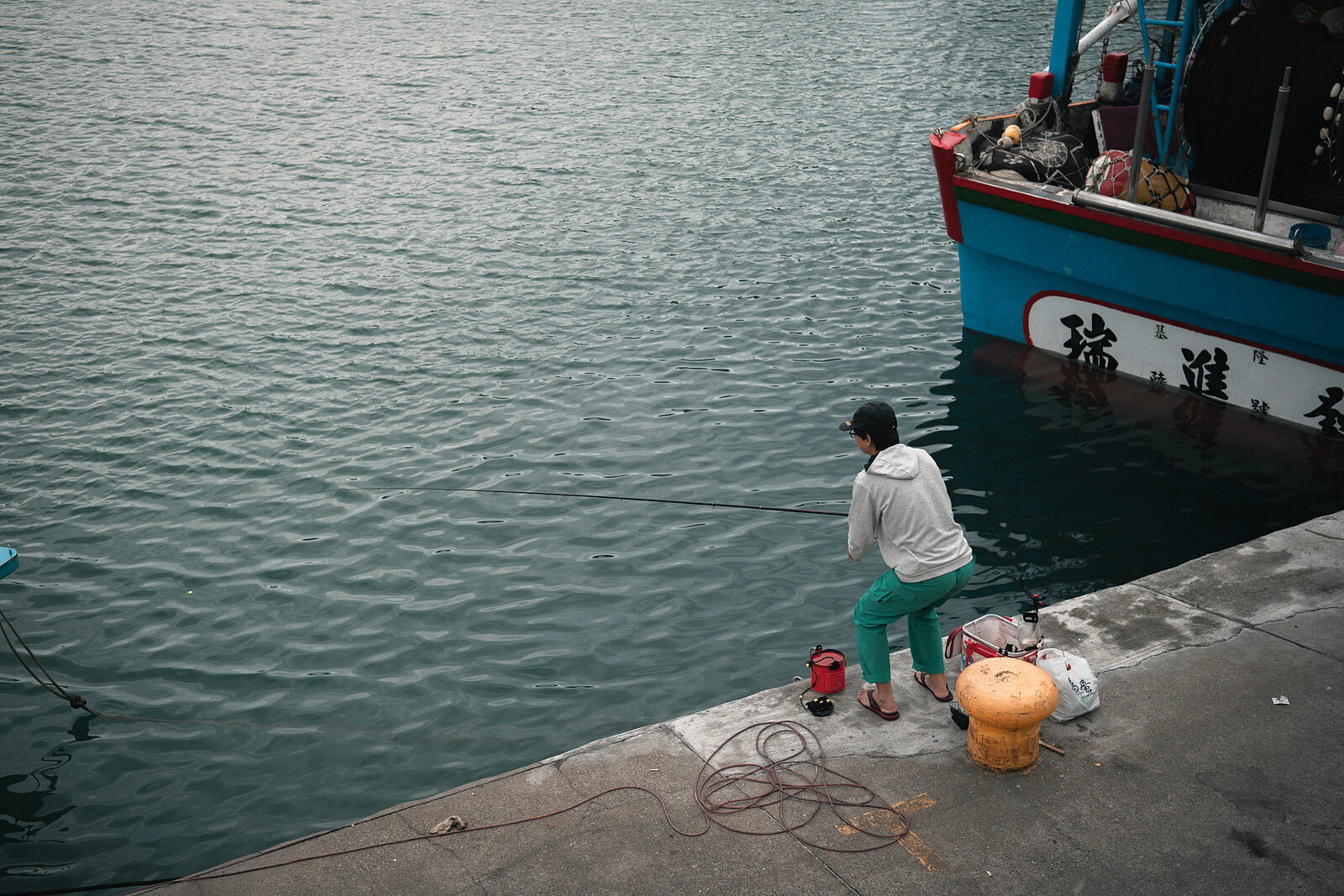
The harbor moves at its own pace. Boats settle against the dock. Ropes hold. Water shifts color with the light — grey, then green, then something without a name.
And along the edge of it, someone has arrived with a rod and a bucket and a patience that cannot be measured.
He does not speak. He does not watch the time. He only watches the line — the slight trembling of it where it meets the surface, the way it carries the weight of a world that refuses to be hurried.
This is not a hobby. It is something older than that. A practice of returning. Of coming back to the same place, with the same stillness, and trusting that the day will pass the way all days eventually pass.
The sea does not offer explanation. It offers only itself — wide, indifferent, continuous.
And that, perhaps, is enough.
ท่าเรือเคลื่อนไหวในจังหวะของมันเอง เรือเอนนิ่งอยู่ข้างท่า เชือกยังคงตึง สายน้ำค่อยๆ เปลี่ยนสีไปตามแสง — จากเทา เป็นเขียว แล้วกลายเป็นบางเฉดที่เรียกชื่อไม่ได้
ตรงขอบน้ำนั้น มีใครบางคนมาถึงพร้อมเบ็ด ถังเล็กๆ และความอดทนที่ดูเหมือนไม่มีวันหมด
เขาไม่พูด ไม่มองนาฬิกา มีเพียงสายเบ็ดที่เขาเฝ้ามองอยู่เงียบๆ — การสั่นไหวเล็กน้อยตรงผิวน้ำ ราวกับมันกำลังรับน้ำหนักของโลกที่ไม่ยอมถูกเร่งให้เร็วขึ้น
นี่ไม่ใช่งานอดิเรก แต่น่าจะเป็นบางสิ่งที่เก่าแก่กว่านั้น
การกลับมายังสถานที่เดิม ด้วยความเงียบแบบเดิม และเชื่อว่าวันหนึ่งจะผ่านไป อย่างที่ทุกวันเคยผ่านไปเสมอ
ทะเลไม่เคยอธิบายอะไร มันเพียงอยู่ตรงนั้น — กว้าง เฉยเมย และไม่มีวันสิ้นสุด
และบางที แค่นั้นก็เพียงพอแล้ว